
Make communication SIGNificant.
Featured Resources
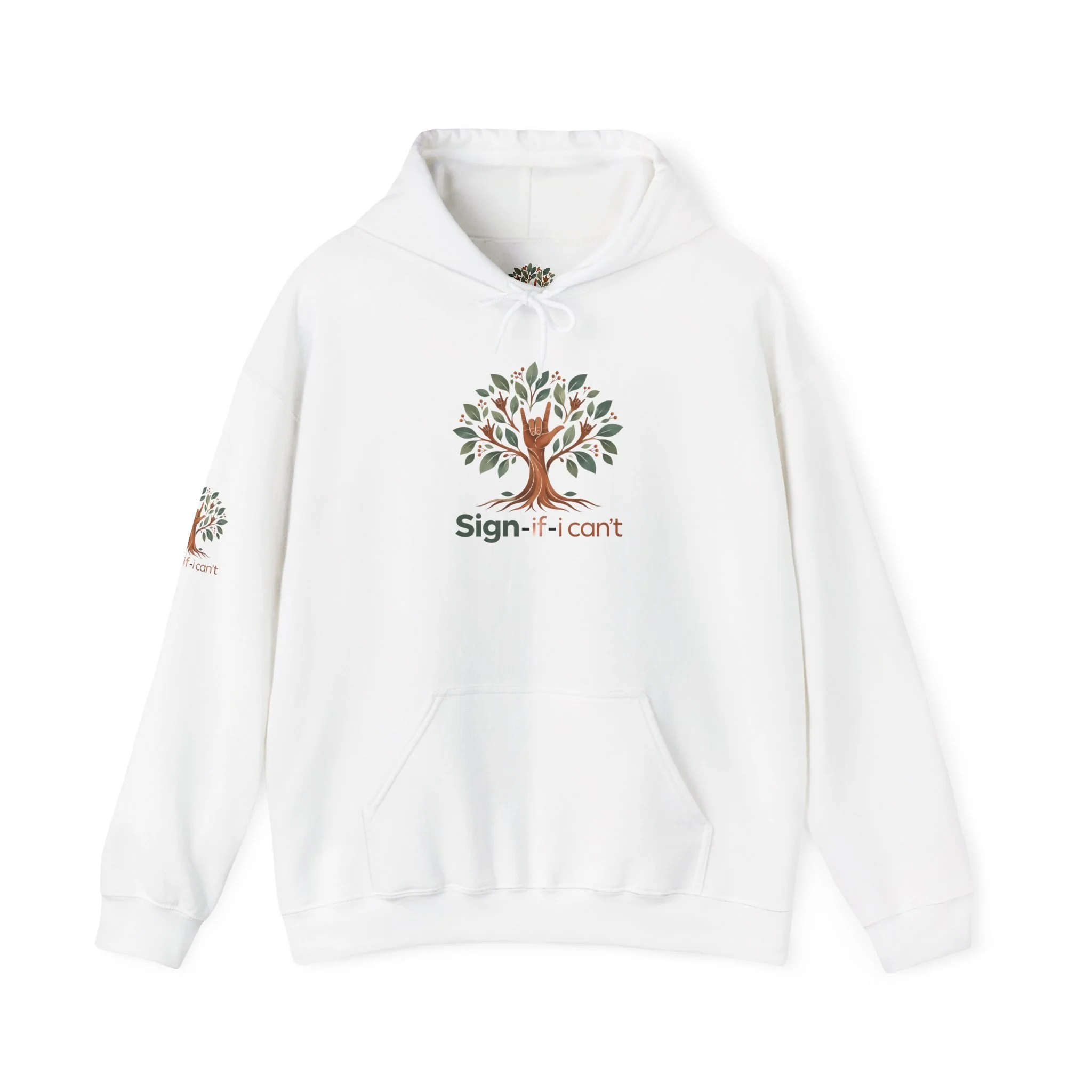
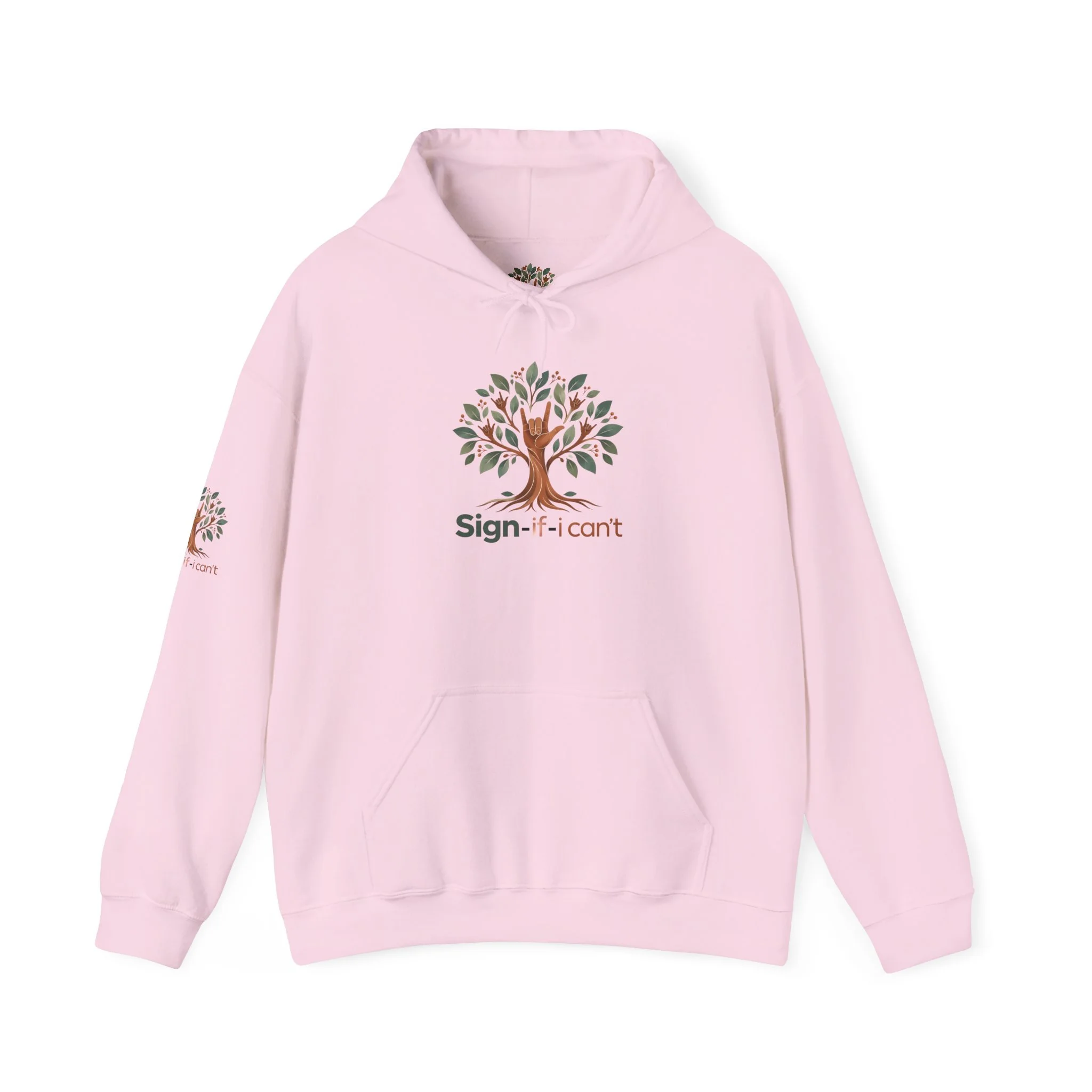
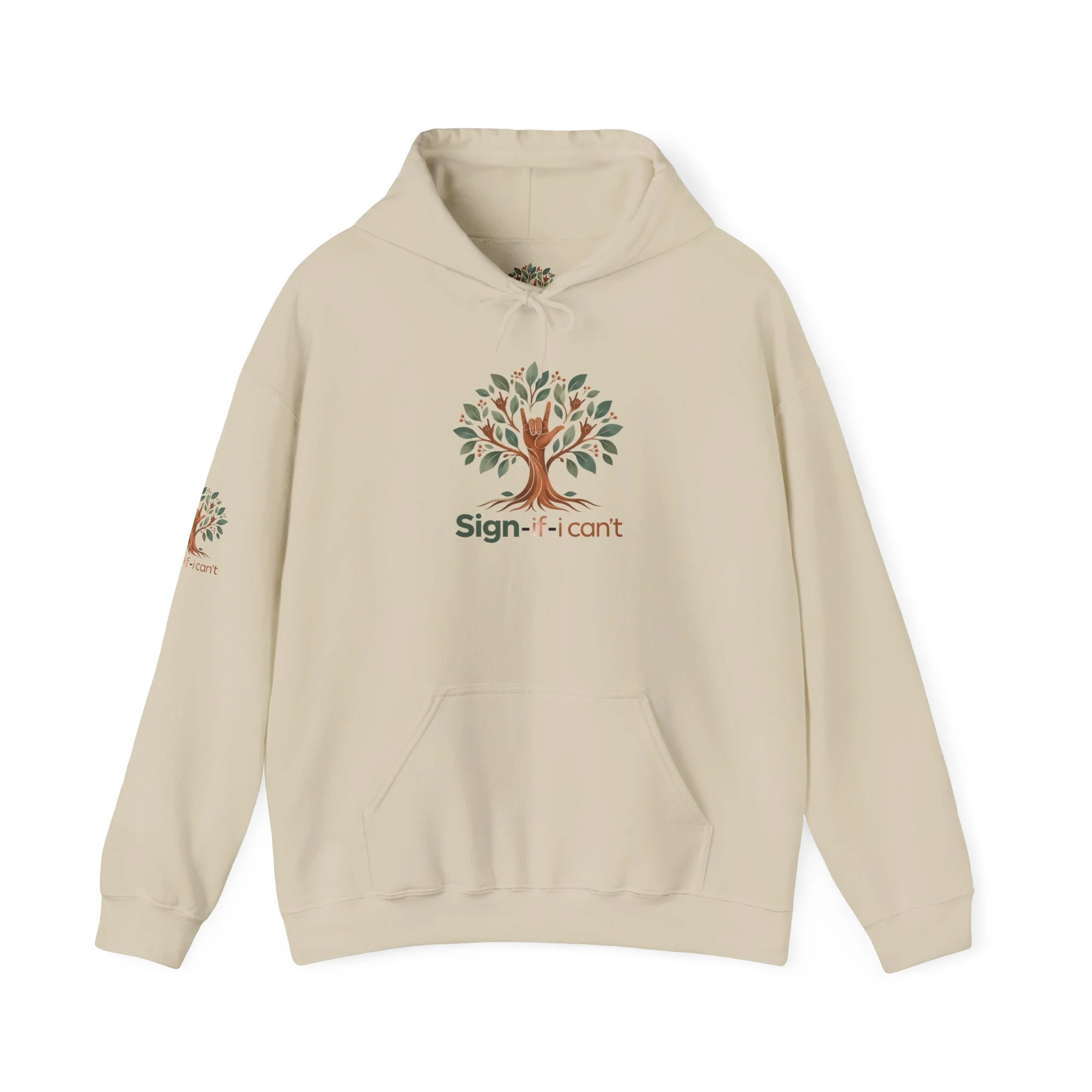
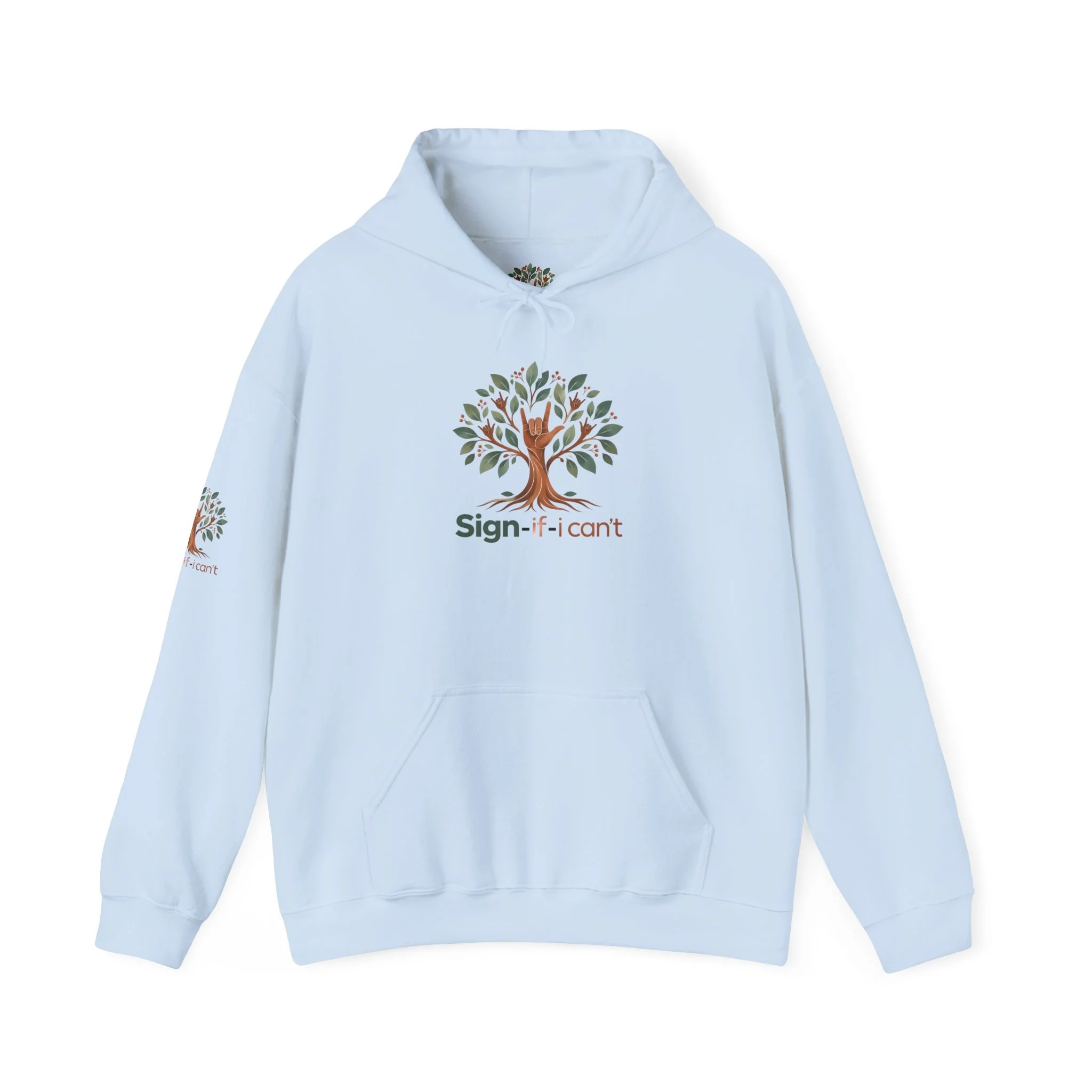
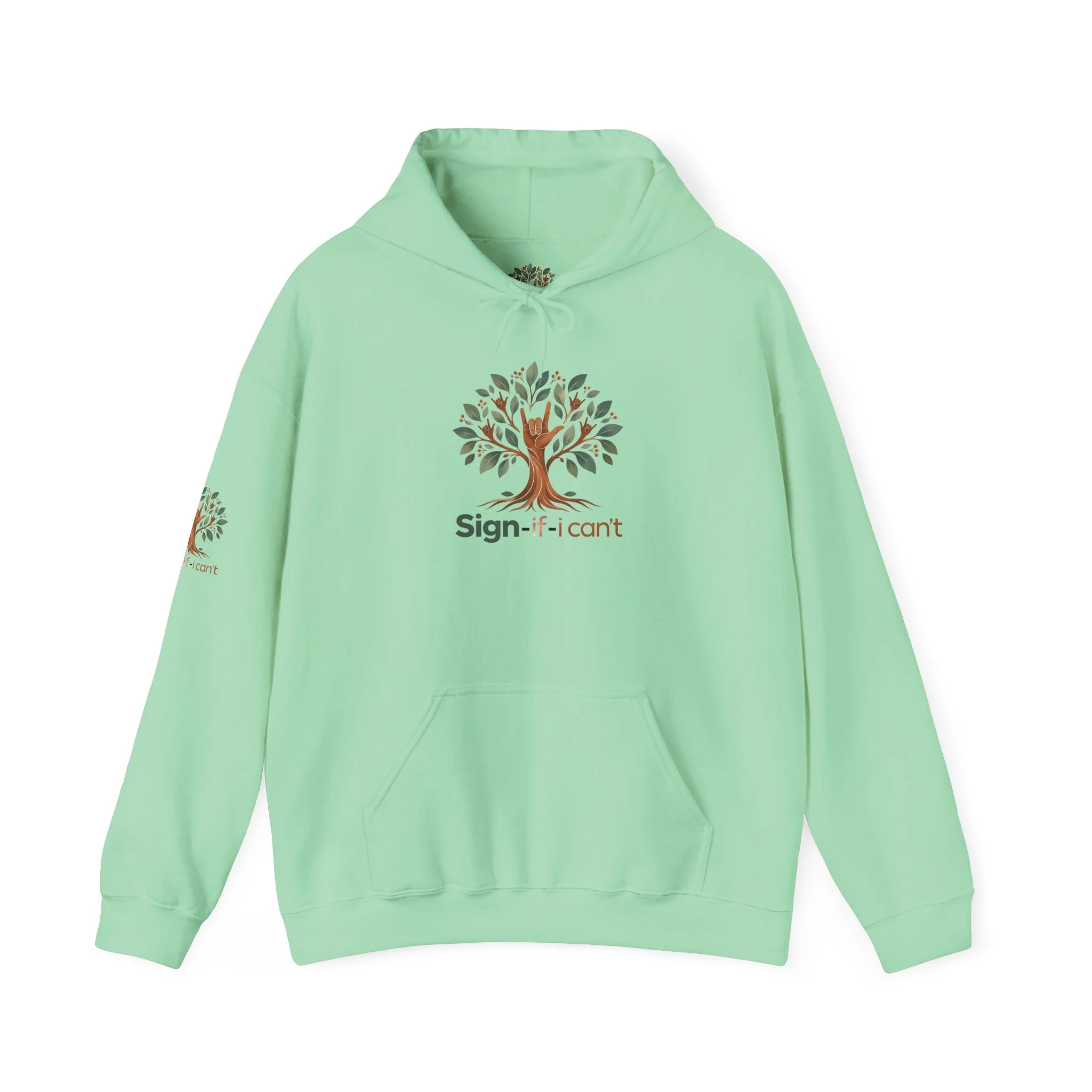
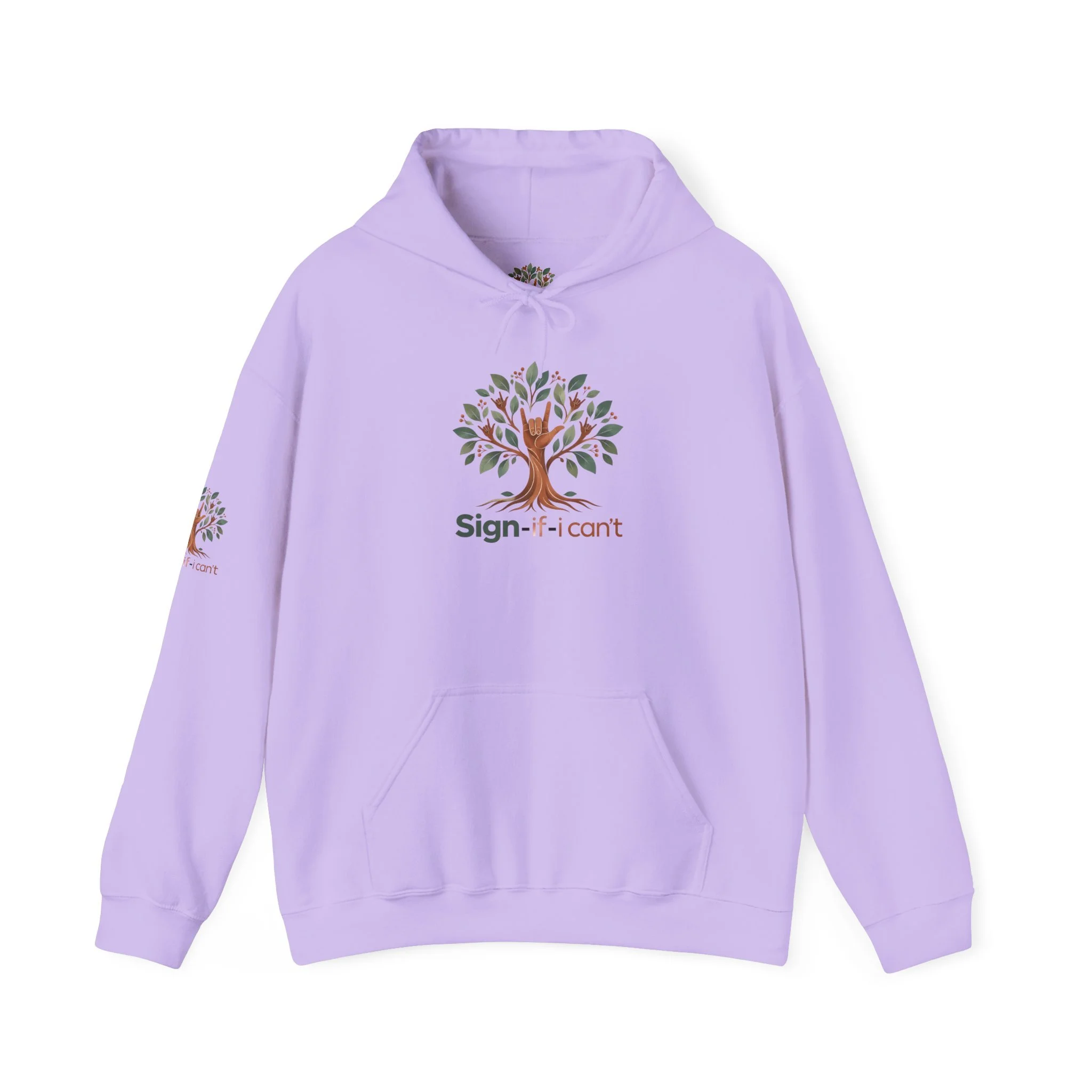
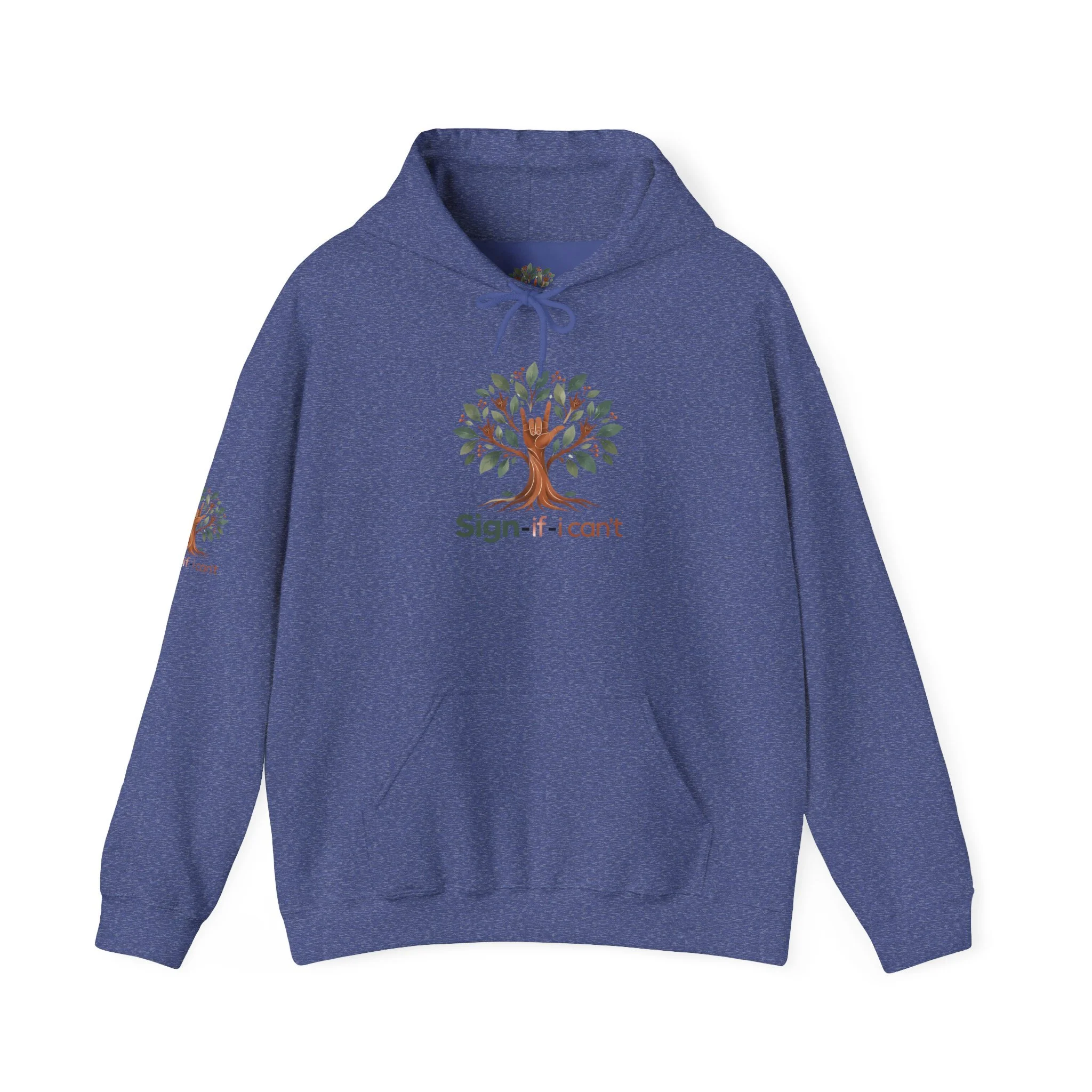
Product features
- 50/50 cotton-polyester blend with a soft, medium-heavy 8 oz/yd² (271 g/m²) feel
- Tubular knit construction without side seams for a comfortable, streamlined fit
- Adjustable, color-matched drawstring hood with a double-lined design
- Kangaroo pouch pocket for convenient storage and warmth
- Available with DTF or embroidered decoration placements, including chest, sleeve, and wrist options
Care instructions
- Tumble dry: medium
- Iron, steam or dry: low heat
- Do not dryclean
- Machine wash: cold (max 30C or 90F)
- Non-chlorine: bleach as needed
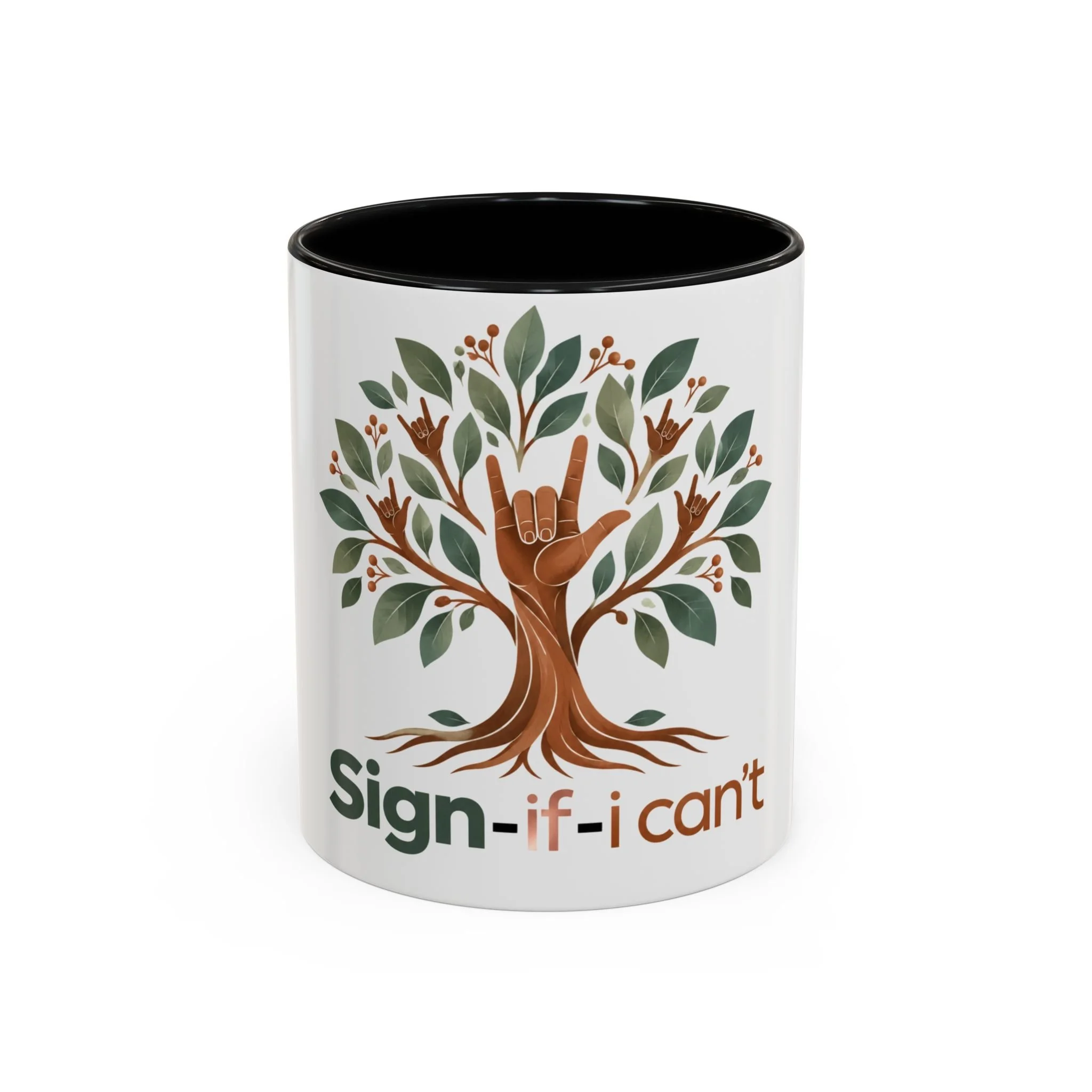
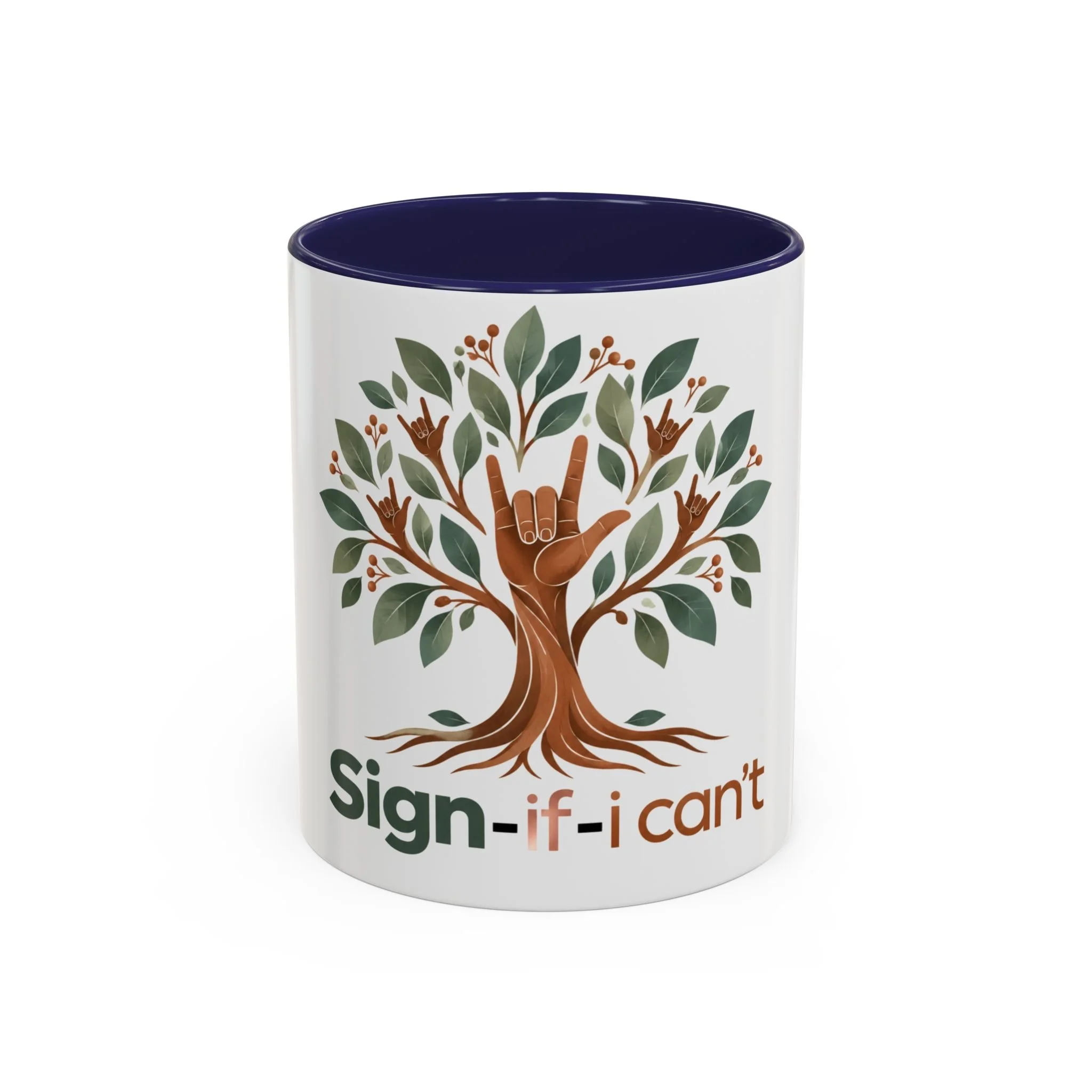
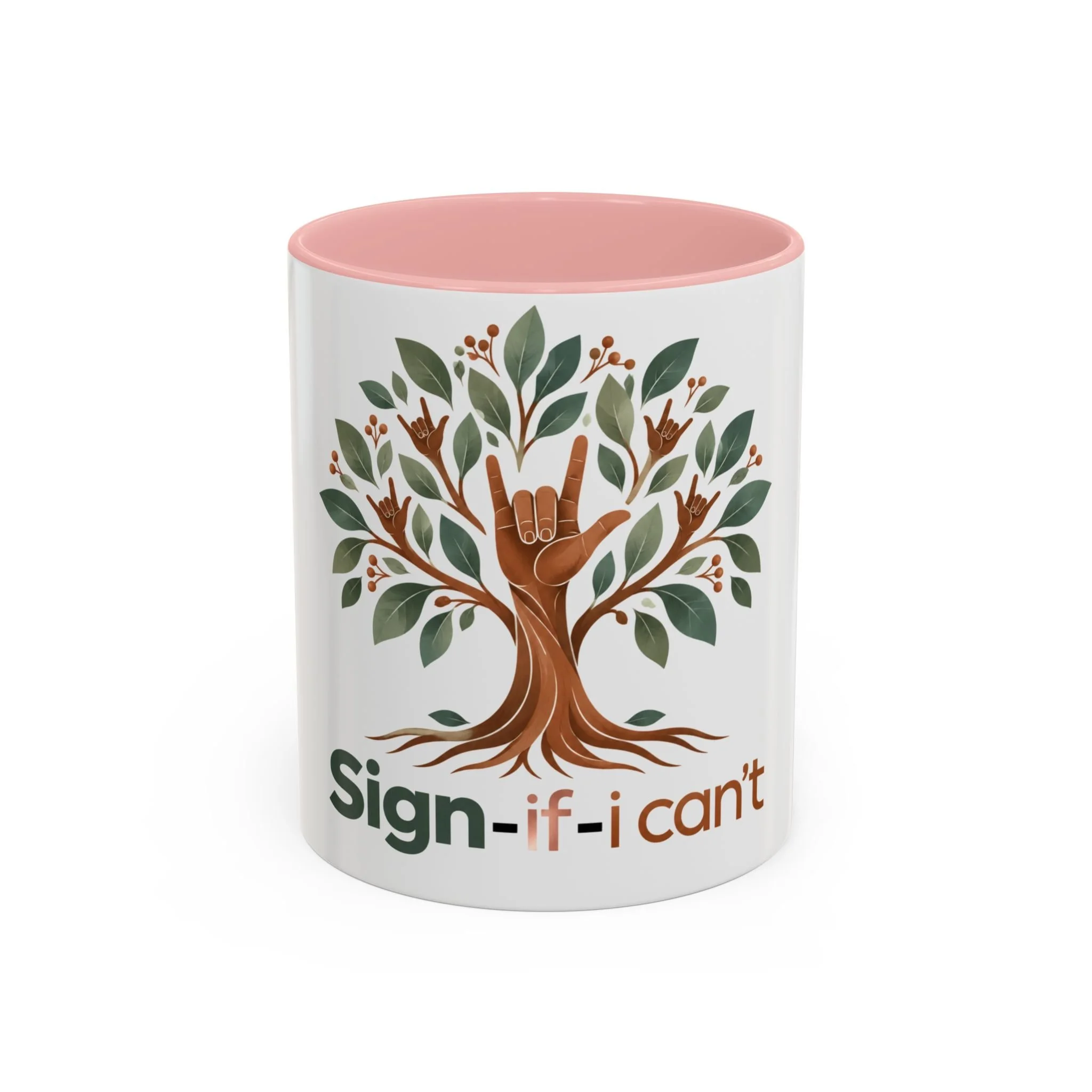
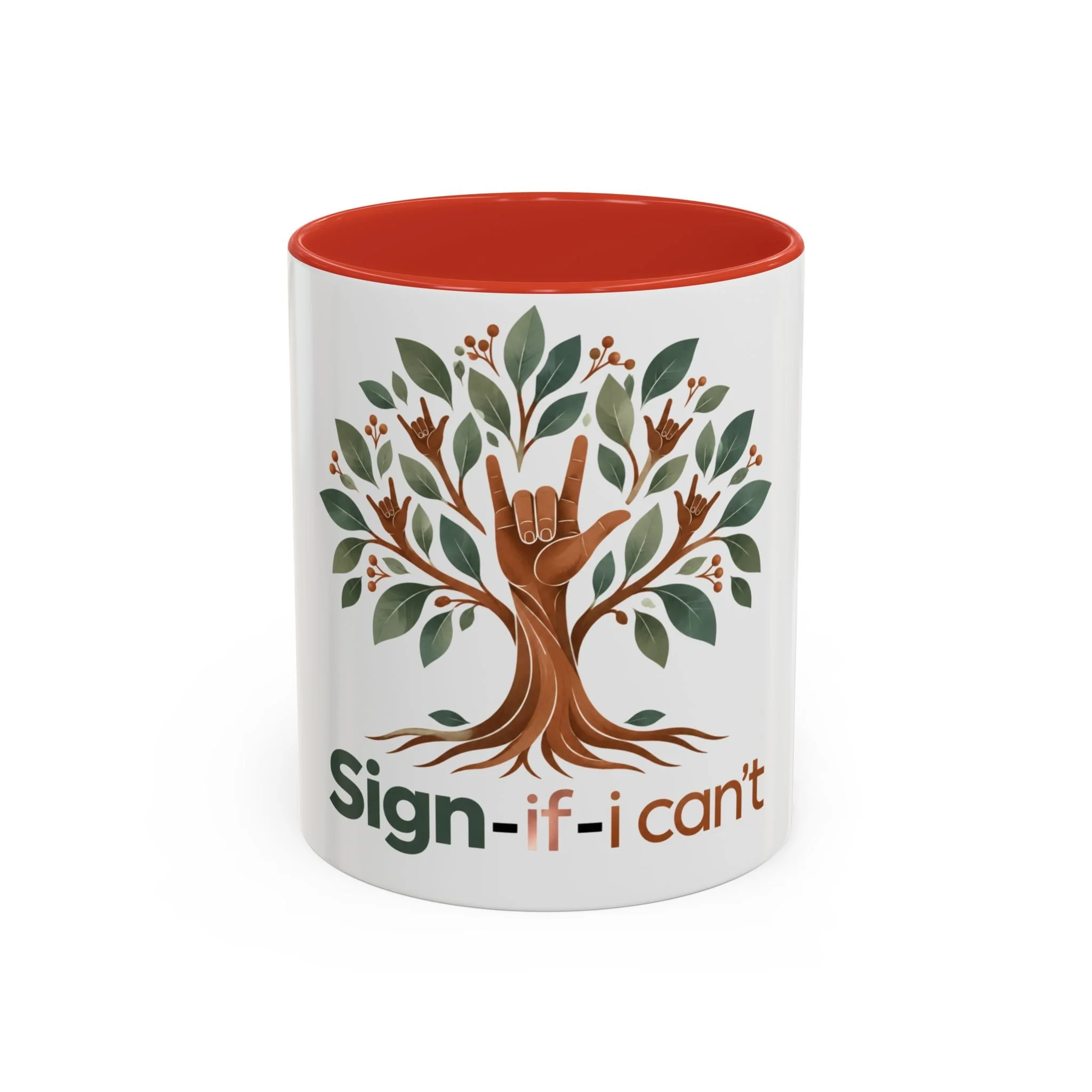
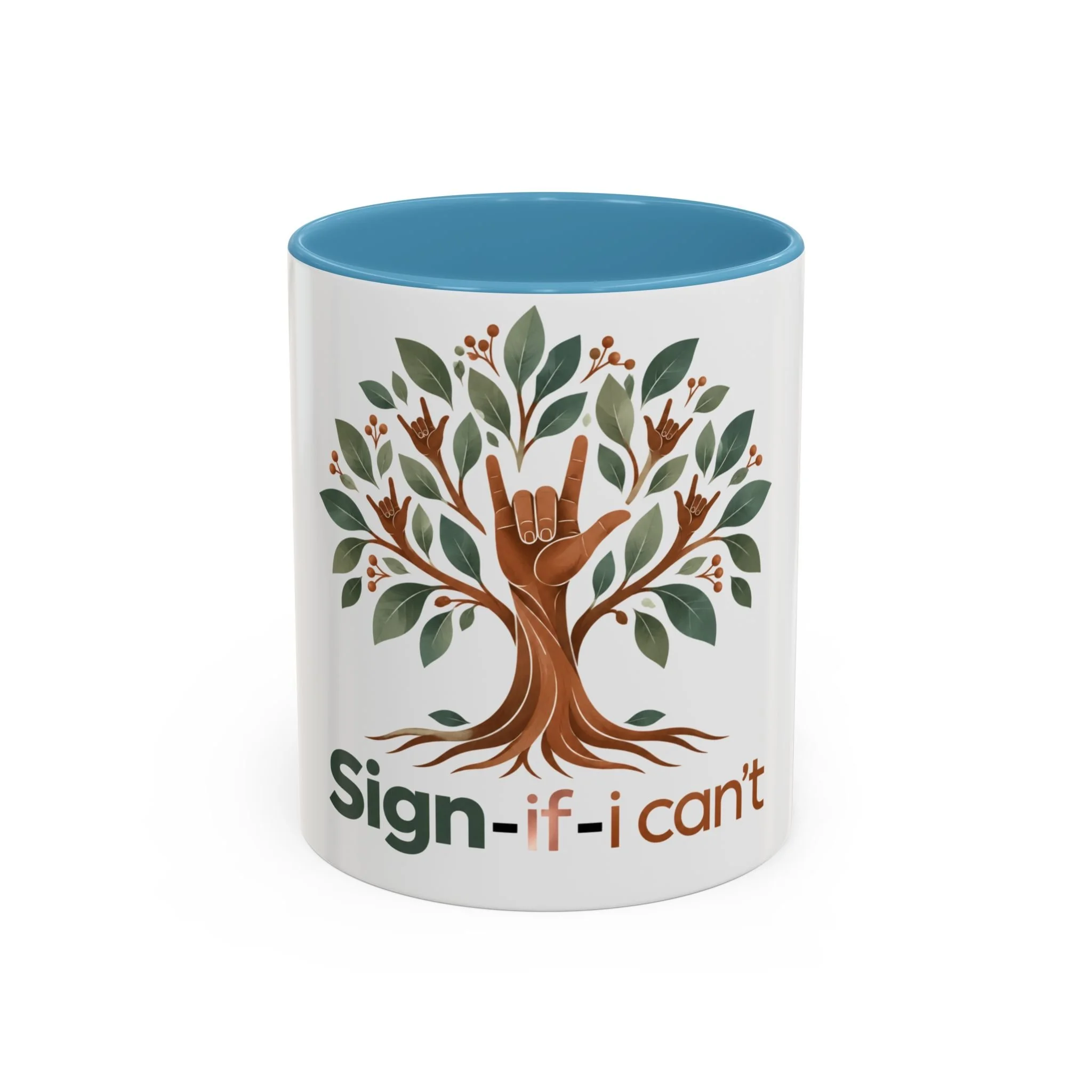
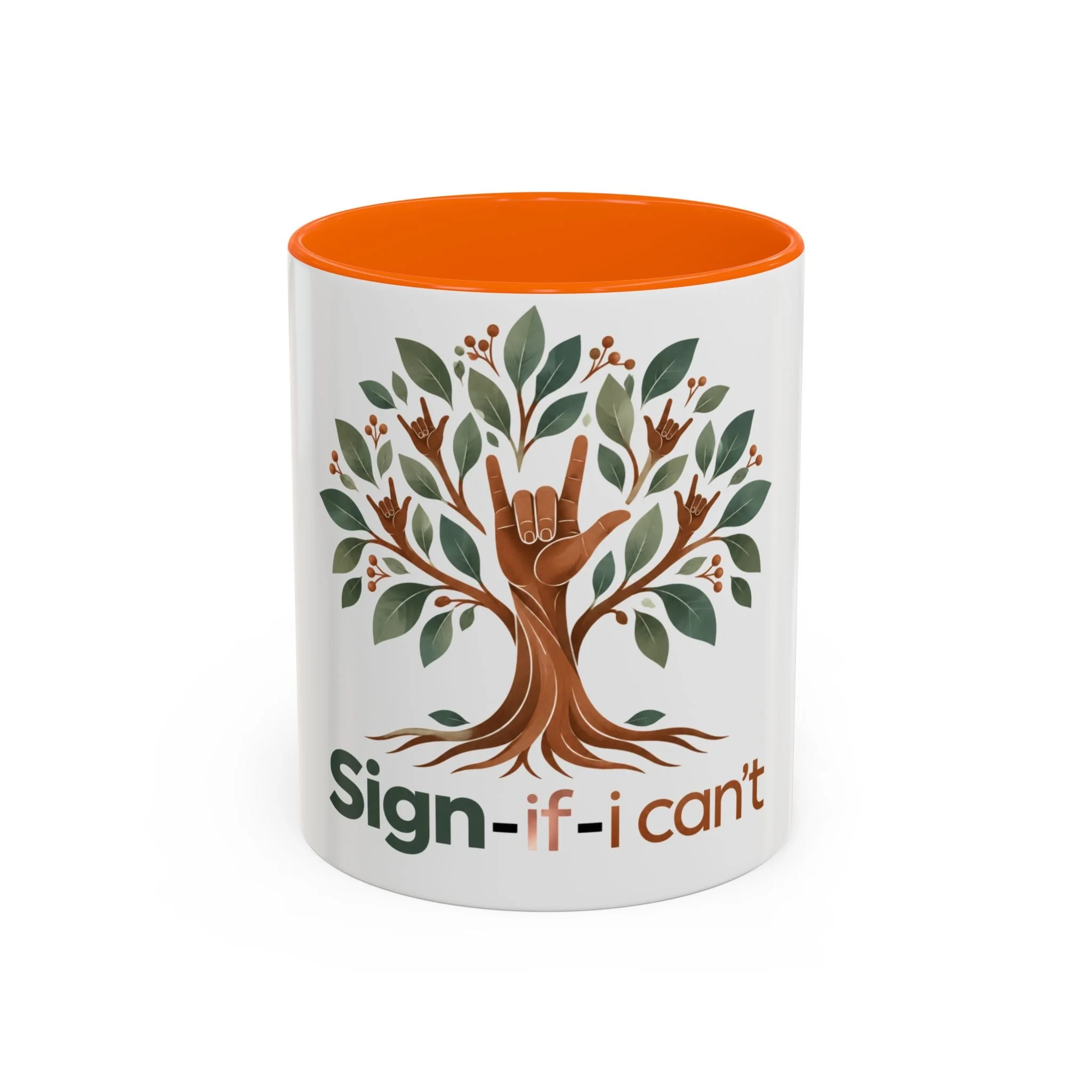
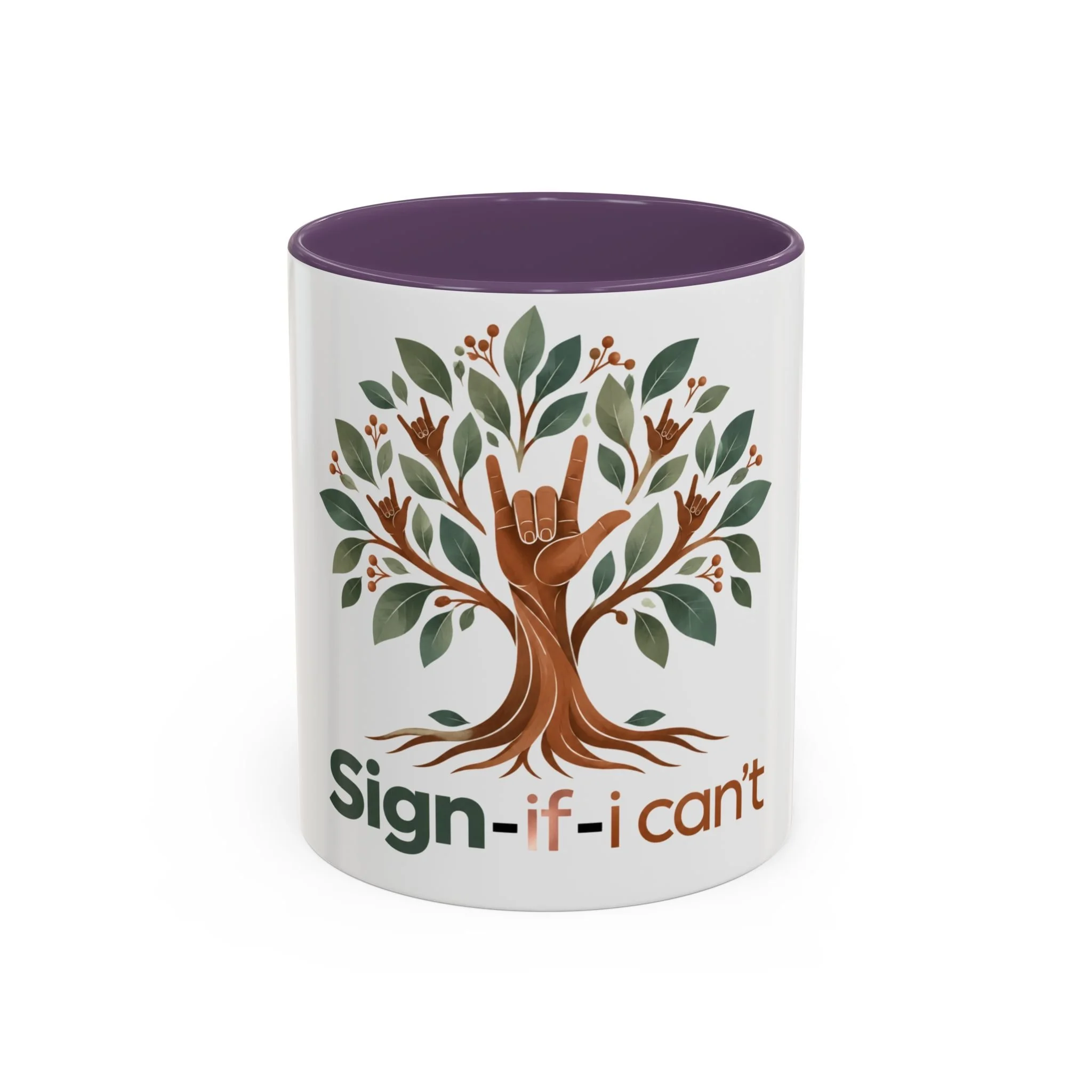
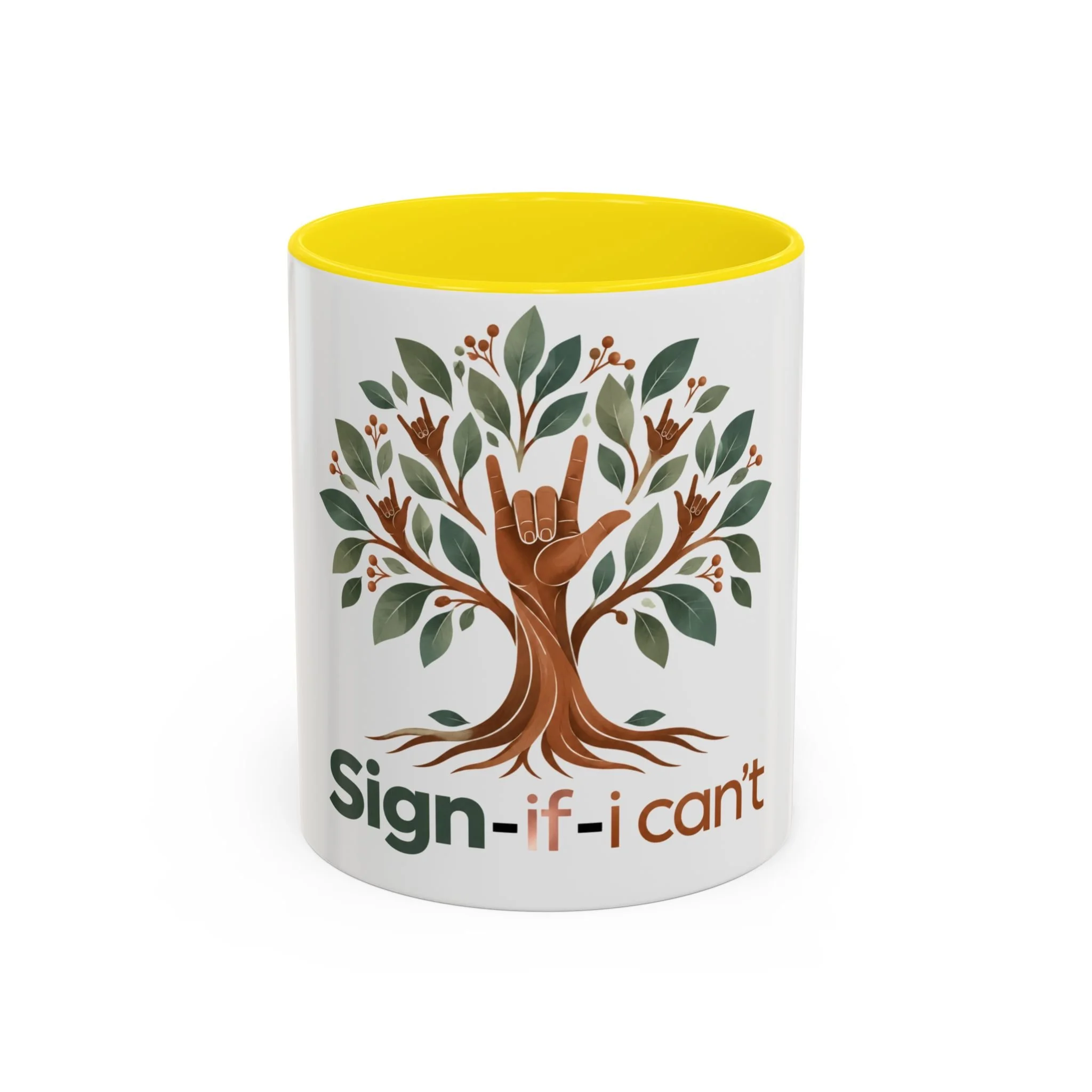
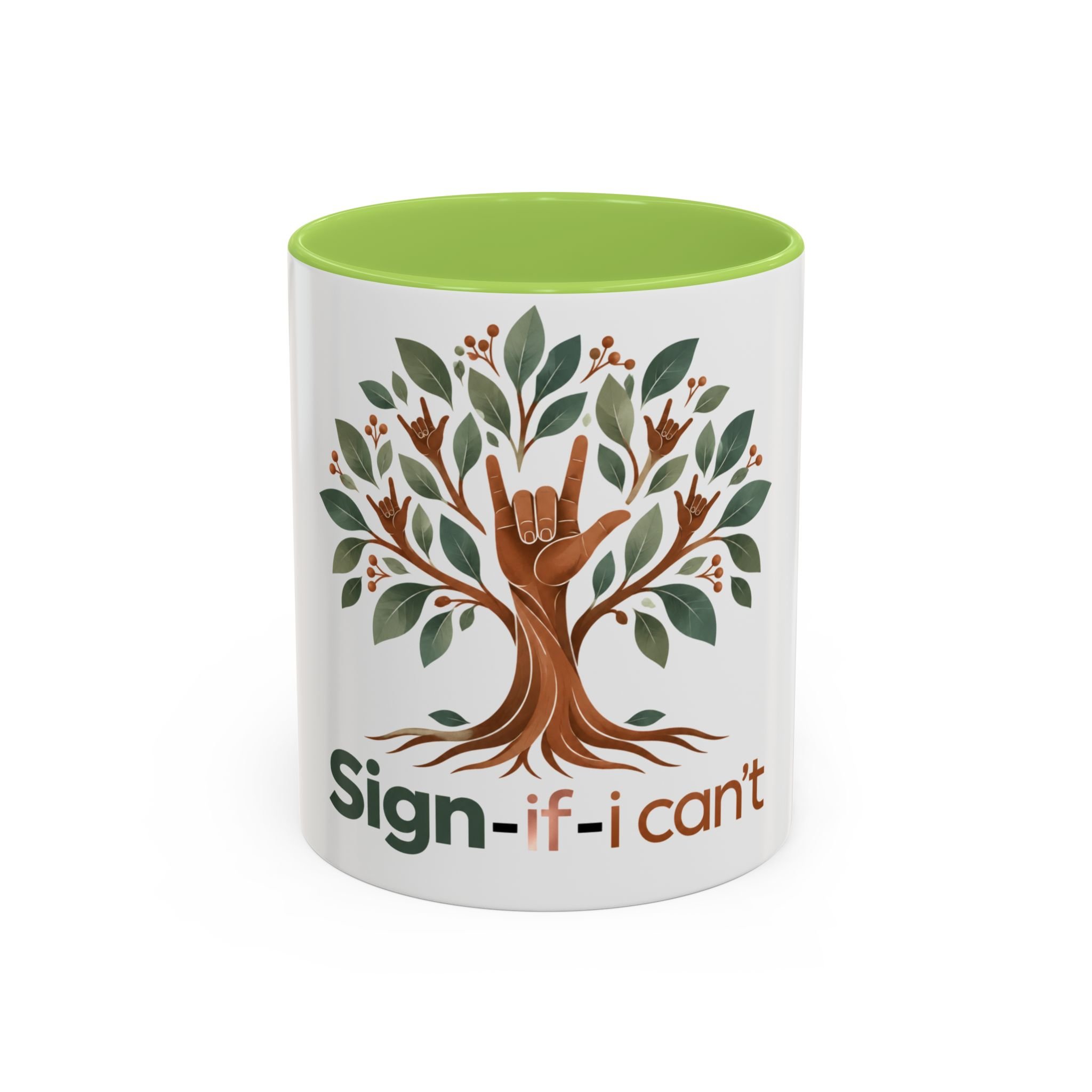
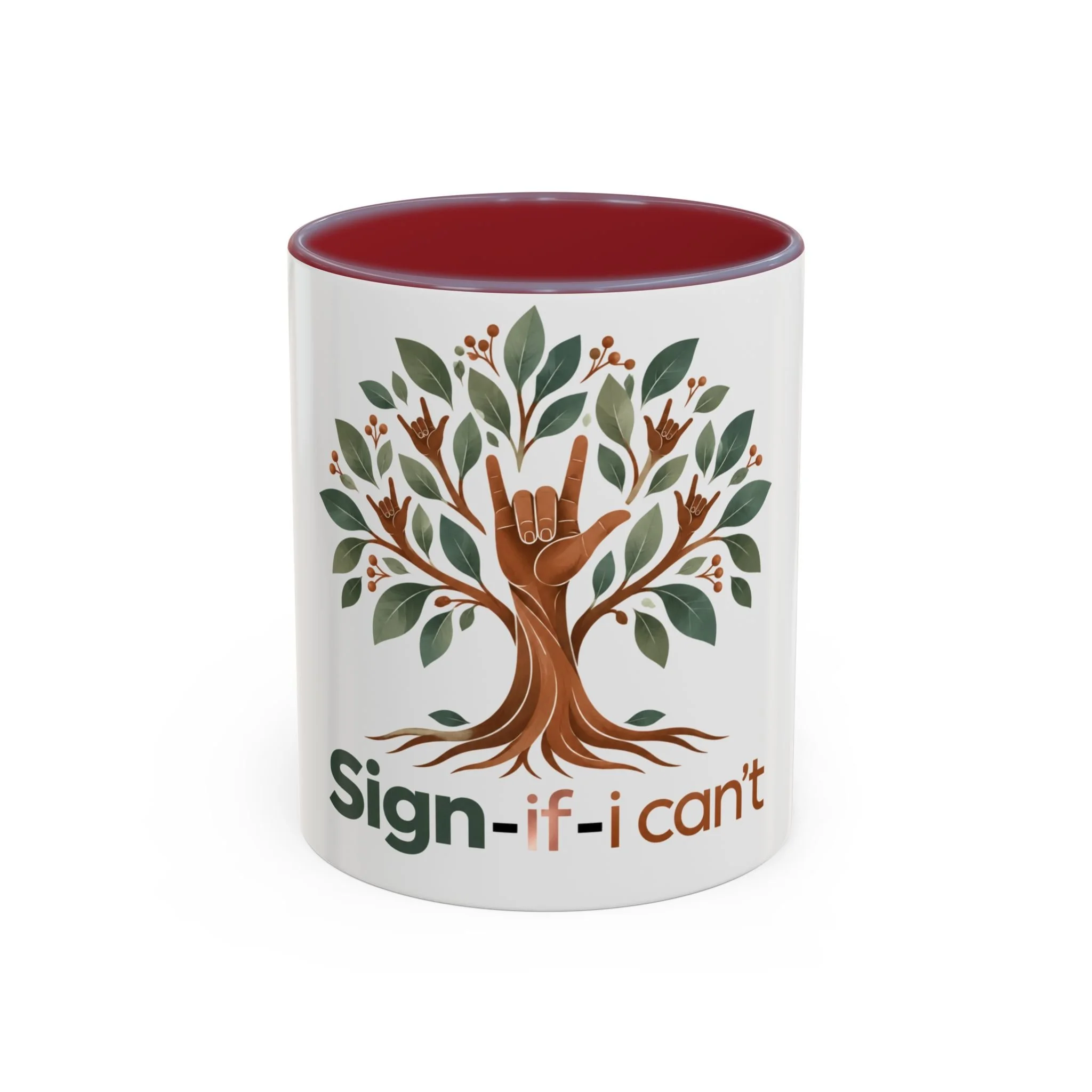
Product features
- White ceramic mug with a glossy finish and colored interior and handle
- Available in 11oz (0.33 l) and 15oz (0.44 l) sizes
- Choose from multiple interior and handle colors for contrasting style
- Microwave-safe and dishwasher-safe for convenient everyday use
- Lead- and BPA-free construction with vibrant, crisp printed colors
Care instructions
- Clean in dishwasher or wash by hand with warm water and dish soap
Professional Services
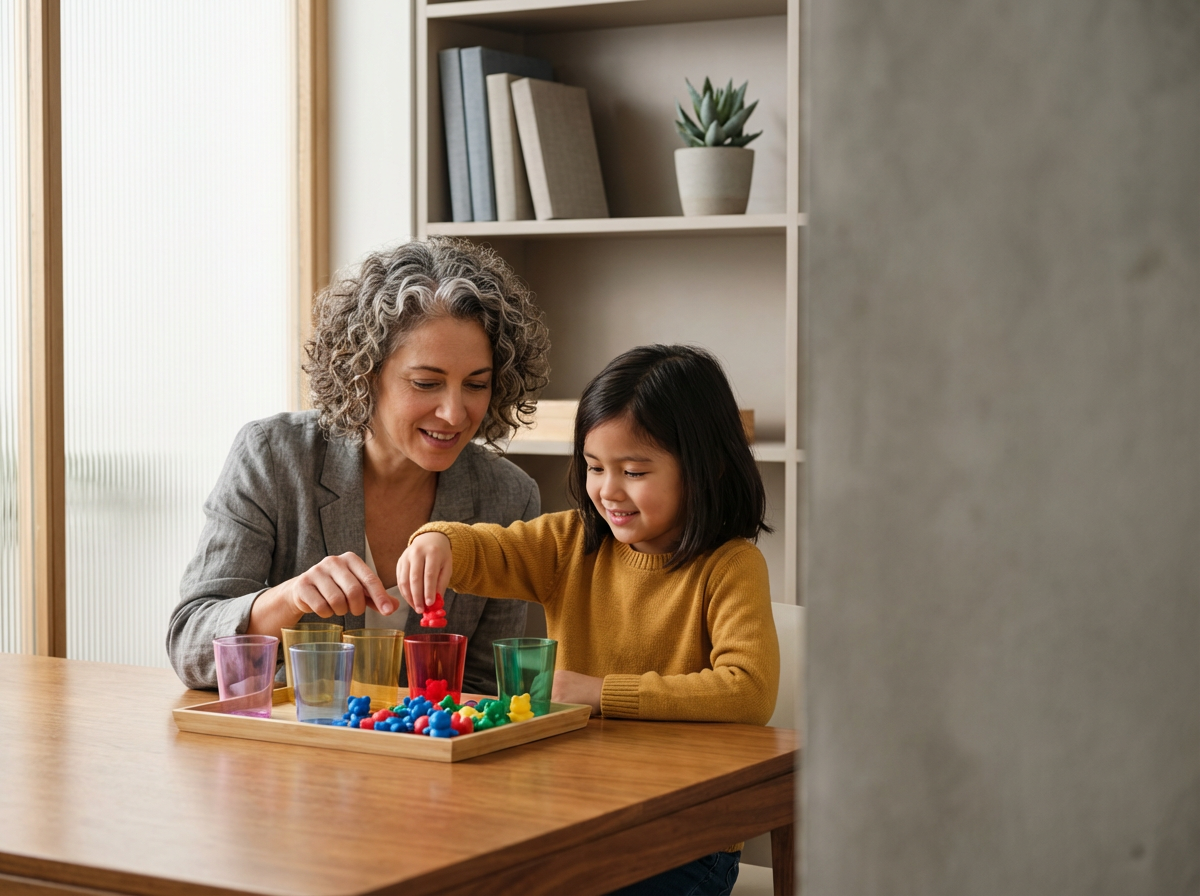
Toddler sign classes in Yuba City and Sacramento regions bring the whole family together to learn simple, practical signs that improve early communication, reduce frustration, and strengthen parent–child bonds. Instructors teach key words—more, eat, sleep, help—using songs, short routines, repetition, and playful activities so toddlers can pick up signs naturally between meetings.
Classes are designed for families and small groups held at community centers, libraries, or even in your own home and allow mixed-age siblings, parents, and grandparents to join. Sessions include age-appropriate activities, brief routines, and take-home materials for practicing signs at home. Teachers are often certified sign instructors or experienced early childhood specialists who move at a toddler’s pace and offer practical tips for using signs in everyday routines.
Families leave with a supportive setting, simple strategies to use signs throughout the day, and greater confidence in both spoken and signed communication as their children’s language develops.

Sign-ificant ASL 1 — Homeschool Course Offering
Overview Sign-ificant provides American Sign Language (ASL) Level 1 courses tailored for K–12 homeschool students. Classes are taught by a licensed educator with K–12 teaching credentials in California and Minnesota. The curriculum mirrors ASL 1 courses commonly offered in public high schools and aligns with standards and expectations at most community colleges in the Sacramento Valley region.
Who this course is for
Homeschool students in elementary, middle, and high school seeking a formal ASL 1 experience
Families wanting credit-compatible coursework similar to public high school offerings
Students planning to continue ASL at community college or pursue language credit aligned with regional institutions
Course goals
Develop foundational receptive and expressive ASL skills: fingerspelling, basic vocabulary, everyday conversation, and simple sentence structure
Build understanding of Deaf culture and visual communication norms
Establish readiness for ASL 2 or comparable college-level introductory ASL coursework
Key features
Instructor qualifications: K–12 licensed teacher in California and Minnesota with experience in ASL instruction
Curriculum alignment: Comparable scope and sequence to public high school ASL 1 and aligned to community college expectations in the Sacramento Valley
Grade-appropriate instruction for K–12, with differentiation for elementary, middle, and high school learners
Combination of live instruction and guided practice tailored to homeschooling schedules
Assessment suitable for transcript documentation and credit reporting (rubrics, performance assessments, vocabulary checks, and cultural reflection)
Course structure (typical)
Duration: Semester (recommended) or year-long options available
Frequency: Weekly live sessions (synchronous) plus asynchronous practice and assignments
Class size: Small cohorts or individualized instruction to maximize visual communication feedback
Components:
Warm-up and review (fingerspelling drills, vocabulary)
New vocabulary and grammar instruction (topic-based units)
Receptive practice (video comprehension, live signing exercises)
Expressive practice (partner dialogues, storytelling, role-play)
Cultural lessons (history, Deaf community norms, etiquette)
Assessments (performance-based and written reflections)
Credit and alignment
Designed to be comparable to one semester of high school ASL 1; options to extend to a full-year, credit-bearing course
Content and learning outcomes aligned so students are prepared to enroll in community college ASL 2 or equivalent courses in the Sacramento Valley
Instructor can provide detailed syllabi, grading rubrics, and sample assessments to support homeschool record-keeping and credit reporting
Enrollment and logistics
Enrollment Openings: Cohort-based start dates and flexible one-on-one scheduling available
Materials: Instructor-provided materials list; minimal textbook requirements with recommended resources tailored to grade level
Technology: Reliable internet and webcam for live sessions; video submission capability for performance assessments
Pricing: Contact for current rates, package options, and sibling discounts
How to proceed
Request a course packet including sample syllabus, class schedule, assessment examples, and instructor qualifications
Schedule an initial consultation to determine appropriate grade-level placement and credit options
Confirm enrollment and receive orientation materials and a materials list
Contact and next steps To request the course packet or schedule a consultation, provide preferred grade level(s), homeschool format (co-op, individual, group), and availability for live sessions. An instructor will respond with tailored options and enrollment details.

Sign-ificant ASL 2 — Homeschool Course Offering
Overview
Sign-ificant provides American Sign Language (ASL) Level 2 courses tailored for K–12 homeschool students who have successfully completed ASL 1 or demonstrate equivalent foundational proficiency. Classes are taught by a licensed educator with K–12 teaching credentials in California and Minnesota.
ASL 2 builds upon the foundational vocabulary, grammar, and communication skills developed in ASL 1. Students expand their expressive and receptive abilities, develop greater conversational fluency, and strengthen their understanding of ASL grammar, Deaf culture, and visual communication. The curriculum mirrors ASL 2 courses commonly offered in public high schools and is designed to align with standards and expectations at community colleges in the Sacramento Valley region.
Who this course is for
Homeschool students in elementary, middle, and high school who have completed ASL 1 or demonstrate equivalent foundational ASL skills.
Families seeking a structured, sequential ASL program comparable to public high school offerings.
Students interested in developing greater conversational fluency and preparing for continued study in ASL 3 or college-level ASL coursework.
Students who want to deepen their understanding of Deaf culture, linguistic structures, and communication within the Deaf community.
Course goals
Expand receptive and expressive ASL proficiency through increasingly complex vocabulary, sentence structures, and conversational exchanges.
Develop greater fluency and accuracy in fingerspelling, numbers, classifiers, spatial referencing, and grammatical structures.
Strengthen comprehension of signed conversations and narratives presented at an increasingly natural pace.
Develop the ability to describe, explain, compare, narrate, and share information using appropriate ASL grammar and visual communication strategies.
Improve conversational skills, including turn-taking, clarification, asking follow-up questions, and maintaining meaningful interactions.
Expand understanding of Deaf culture, community perspectives, cultural norms, and the linguistic features of ASL.
Establish readiness for ASL 3 or comparable intermediate-level ASL coursework.
Key features
Instructor qualifications: K–12 licensed teacher in California and Minnesota with extensive experience in ASL instruction and curriculum development.
Curriculum alignment: Comparable scope and sequence to public high school ASL 2 courses, designed to prepare students for continued study at regional community colleges.
Progressive instruction: Builds upon ASL 1 foundations while introducing more sophisticated vocabulary, grammatical structures, and communication tasks.
Grade-appropriate instruction: Differentiated instruction for elementary, middle, and high school learners while maintaining appropriate course-level expectations.
Live instruction and guided practice: Opportunities for interactive communication, individualized feedback, and development of expressive and receptive skills.
Performance-based assessment: Evaluation through receptive comprehension, expressive signing, conversational activities, projects, quizzes, and cultural reflections.
Visual language immersion: Emphasis on communicating in ASL rather than relying on spoken or written English as a substitute for signed communication.
Course structure (typical)
Duration: Semester (recommended) or year-long options available.
Frequency: Weekly live sessions (synchronous) supplemented by asynchronous practice and assignments.
Class size: Small cohorts or individualized instruction to maximize visual communication opportunities and feedback.
Course components:
Warm-up and review (fingerspelling, numbers, vocabulary, and previously learned grammatical structures).
Expanded vocabulary and grammar instruction through thematic and real-world units.
Receptive practice (comprehension of signed conversations, narratives, and instructional videos).
Expressive practice (conversational exchanges, descriptions, storytelling, role-play, and presentations).
Linguistic development (classifiers, spatial referencing, non-manual signals, sentence structure, and appropriate use of signing space).
Conversational development (maintaining interactions, asking questions, clarifying information, and responding appropriately).
Cultural instruction (Deaf history, community perspectives, cultural expectations, and culturally appropriate communication).
Performance assessments (receptive and expressive evaluations, projects, and written cultural reflections).
Credit and alignment
Designed to be comparable to one semester of high school ASL 2, with options to extend to a full-year course.
Builds upon foundational ASL 1 learning outcomes and prepares students for ASL 3 or equivalent intermediate coursework.
Curriculum and assessments emphasize progressive language development, including increased complexity, accuracy, comprehension, and conversational fluency.
Instructor can provide detailed syllabi, grading rubrics, course objectives, and sample assessments to support homeschool record-keeping and credit report
Digital Learning Subscriptions



Expertise in Educational Solutions
The organization delivers comprehensive instructional resources that reflect current academic standards and are grounded in rigorous educational research.
Follow for Ongoing Insights




Submit an Inquiry
Provide project details and objectives to initiate a tailored collaboration proposal.